Binder
My name is Micheal Binder. I life in Holstein (Switzerland).
2. Manufacturing and Assembly:
In manufacturing and assembly environments, stacker forklifts are used to move and position heavy materials, components, and finished products at various
stages of the production process. Their versatility and lifting capabilities make
them invaluable in these settings.
3. Retail and E-commerce:
As the e-commerce industry continues to grow, stacker forklifts have become increasingly important in fulfillment centers and retail stockrooms.
These forklifts enable efficient storage, picking, and packing
of a wide range of products.
 4.
4.
Intermodal Transportation:
Stacker forklifts, particularly reach stackers, play a crucial role in intermodal transportation hubs, such as container terminals
and freight yards. They are used to load, unload, and stack shipping containers,
optimizing the flow of goods between different modes of transportation.
5. Cold Storage Facilities:
Specialized stacker forklifts designed for use in cold storage environments,
such as freezers and refrigerated warehouses, are
essential for handling and storing temperature-sensitive goods.
Benefits of Stacker Forklifts
Stacker forklifts offer a range of benefits that make them an indispensable
piece of material handling equipment:
1. Space Optimization:
By leveraging vertical space through high-density storage, stacker forklifts enable businesses to maximize their available floor
space and increase overall storage capacity. This can lead to significant cost savings and improved operational efficiency.
2. Improved Productivity:
The enhanced reach, maneuverability, and load-handling capabilities of stacker forklifts allow
for faster and more efficient movement of materials, resulting in increased productivity and throughput.
3. Enhanced Safety:
Stacker forklifts are equipped with advanced safety features, such as stability systems, load sensing, and
operator-assist technologies, which help to reduce the risk of accidents and
create a safer work environment.
4. Versatility:
Stacker forklifts can be adapted to suit a wide range of applications, from warehousing and
logistics to manufacturing and intermodal transportation. This versatility makes them a valuable
asset for businesses with diverse material handling needs.
5. Cost Savings:
By optimizing space utilization and improving productivity, stacker
forklifts can help businesses reduce operational costs associated with real estate, labor,
and storage. Additionally, their durability and reliability can lead to lower maintenance and replacement expenses.
Considerations for Selecting a Stacker Forklift
When choosing a stacker forklift, there are several key factors
to consider to ensure the right fit for your specific operational requirements:
1. Lift Capacity and Height:
Determine the maximum weight and height of the loads you need to handle, and select a stacker forklift with the
appropriate lift capacity and mast height.
2. Aisle Width and Maneuverability:
Consider the available space in your facility, including the
width of your aisles, and choose a stacker forklift
with the necessary reach and turning radius to operate
efficiently in your environment.
3. Power Source:
Stacker forklifts are available with various power sources,
such as internal combustion engines (diesel or gasoline) or electric motors.
The power source should be selected based on factors like operating environment, emissions
regulations, and the need for quiet operation.
4. Operator Ergonomics and Safety:
Prioritize features that enhance operator comfort,
visibility, and safety, such as adjustable seats,
intuitive controls, and advanced stability and load-sensing systems.
5. Maintenance and Support:
Consider the availability of service and maintenance resources, as well as the overall reliability and durability of the stacker forklift model to ensure minimal downtime and
long-term cost-effectiveness.
6. Application-Specific Customizations:
Depending on your industry and operational requirements, you
may need to consider additional customizations or attachments, such as special forks,
load handlers, or cold storage-rated components.
By carefully evaluating these factors, you can select the stacker forklift that best meets the unique needs
of your business and ensures efficient, safe, and cost-effective material handling operations.
Conclusion
Stacker forklifts are a critical piece of material handling equipment that play a
vital role in modern warehousing, logistics,
and manufacturing operations. Their ability to access and stack loads at significant heights, combined with their
compact size and maneuverability, make them essential for optimizing storage capacity and improving
productivity.
As businesses continue to face growing demands for efficient, high-density storage and material handling, the
importance of stacker forklifts will only continue to
increase. By understanding the various types, features, and
applications of these versatile machines, organizations can make informed decisions and invest in the
right equipment to support their evolving material handling needs.
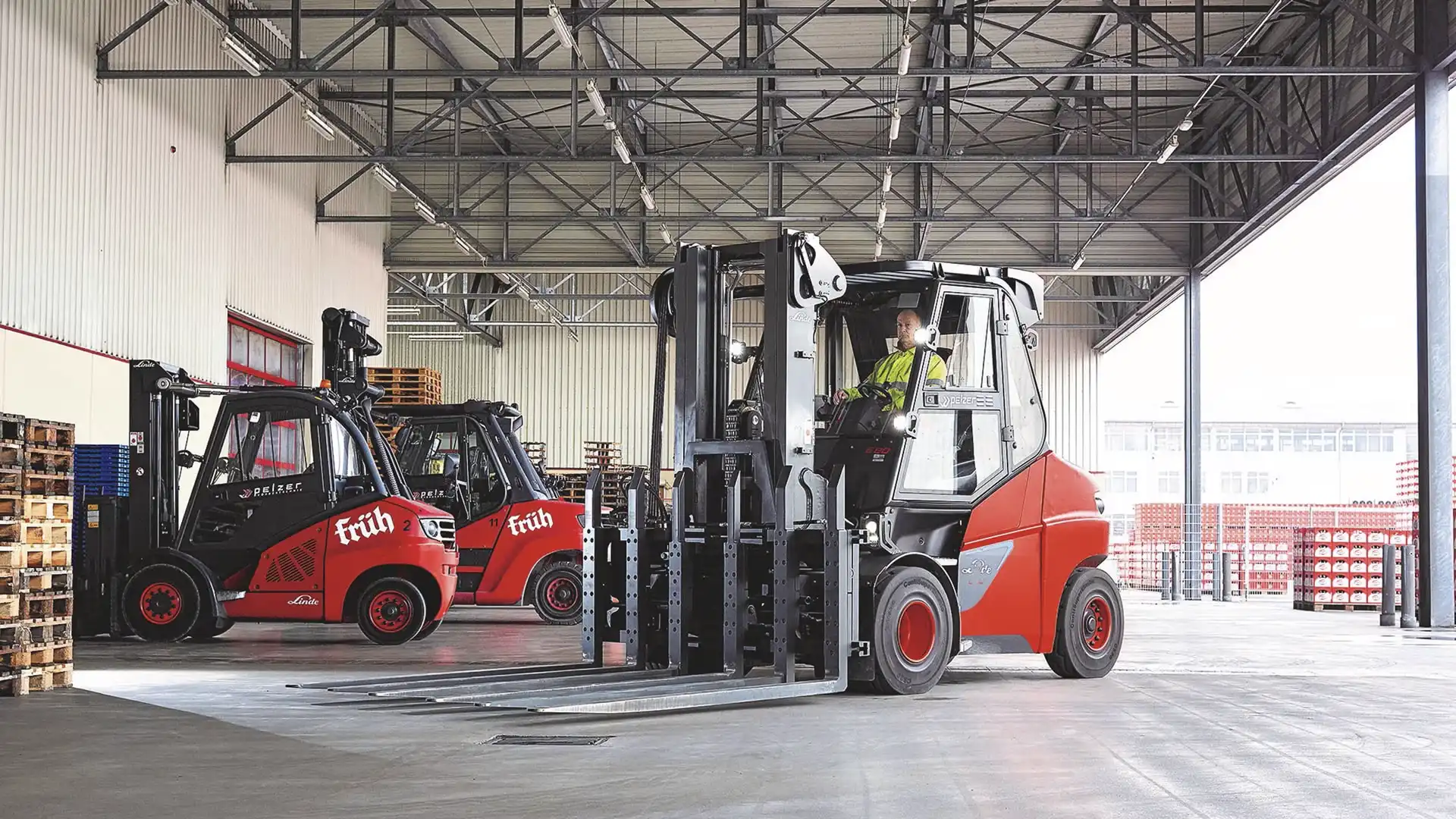 Forklift | China Manufacturer Trade Price on Materials Handling lift Truck, Stackers, Industrial vehicles, Scrubbers, Transporters brands Sale Price Buy Online | Forklift
 Binder joined the site