Bosanquet
I'm Karine and I live in a seaside city in northern United
States, Cookeville. I'm 22 and I'm will soon finish my
study at Biochemistry.
Maintenance and Inspections: Regular preventative
maintenance and thorough pre-shift equipment inspections are vital to identify and
address any mechanical or safety-related issues with stackers.
Facility Design: The physical layout and traffic flows of warehouses, container terminals, and other facilities
must be designed to accommodate the unique operating requirements of forklift stackers.
By prioritizing comprehensive safety
measures, organizations can harness the exceptional productivity of forklift stackers
while mitigating the inherent risks associated with their powerful material handling capabilities.
Trends and Innovations in Forklift Stacker Technology
The forklift stacker market continues to evolve, with manufacturers incorporating the latest technological advancements to enhance performance, safety,
and sustainability. Some emerging trends and innovations include:
Electrification and Alternative Fuels: In line with
broader trends in the material handling industry, electric and hybrid-electric
forklift stackers are becoming more prevalent. These emissions-free models help reduce the environmental impact of container and cargo
handling operations.
Autonomous and Semi-Autonomous Features: Forklift stackers are beginning to incorporate autonomous driving and load handling capabilities.
This includes features like automated container picking,
self-driving functionality, and remote/tele-operation.
Advanced Sensors and Controls: Forklift stackers are increasingly
equipped with sophisticated sensor suites, computerized controls, and integrated software systems.
These enable greater precision, efficiency, and safety through features like collision avoidance, load weight monitoring, and remote fleet management.
Improved Ergonomics and Operator Assist: Newer stacker designs prioritize
operator comfort, visibility, and ease of use. Advancements include adjustable seating, intuitive
control interfaces, and semi-automated assistance for tasks like container positioning.
Enhanced Reach and Lifting Capacities: Continual engineering advancements allow forklift stackers to handle
ever-larger container sizes and heavier payloads, further
increasing their material handling productivity.
Connectivity and Data Integration: The integration of forklift stackers into digital
logistics platforms and telematics systems enables real-time
monitoring, predictive maintenance, and data-driven operational optimization.
As the material handling industry continues to
evolve, these technological innovations in forklift
stacker design and functionality will play a crucial role in helping logistics operations increase efficiency, safety, and
sustainability.
Maintenance and Service Considerations for Forklift Stackers
Proper maintenance and top 10 forklift manufacturer in china servicing are essential for ensuring the reliable,
safe, and cost-effective operation of forklift stackers. These specialized machines require a higher level of care and attention compared to standard forklifts due to their complex
design and the immense stresses they undergo.
Key maintenance tasks for forklift stackers include:
Comprehensive Inspections: Thorough pre-shift inspections
and regularly scheduled comprehensive inspections are critical to identifying any
mechanical issues, safety concerns, or needed repairs.
Fluid and Filter Changes: Maintaining proper fluid levels (engine oil, hydraulic fluid, etc.) and replacing filters
according to the manufacturer's recommendations is crucial to prevent premature wear and
breakdowns.
Component Replacement: Replacing high-wear parts like tires, brakes, and
hydraulic hoses on a proactive schedule helps
extend the overall lifespan of the stacker.
Structural Inspections: The heavy-duty, high-stress nature of forklift stackers requires regular inspections of
the boom, mast, and other structural elements for any cracks, deformities, or signs
of fatigue.
Lubrication and Adjustments: Meticulous lubrication of moving
parts and proper adjustment of mechanisms
like the steering system help ensure smooth, efficient,
and safe stacker operation.
Ongoing Operator Training: Continual operator training,
especially on safety protocols and best practices, is essential to prevent accidents and optimize the use
of forklift stackers.
When more significant repairs are required, it is critical to have qualified, factory-trained technicians perform the work.
Attempting DIY repairs on these complex machines can be extremely hazardous
and may void equipment warranties.
Partnering with an authorized service provider or the original equipment manufacturer can help ensure forklift stackers receive the specialized maintenance and repair attention they need.
Proper maintenance not only extends the useful life of these valuable
machines but also enhances safety, productivity, and cost-effectiveness.
Conclusion
Forklift stackers play a pivotal role in the
efficient movement and storage of intermodal containers, bulk materials,
and other oversized cargo within logistics hubs and industrial facilities.
Their unique telescoping boom designs, high lifting
capacities, and advanced features empower organizations to maximize the density and throughput of their
material handling operations.
As the logistics industry continues to evolve, innovations in forklift stacker technology - from electrification to automation - will further enhance the productivity, safety, and sustainability of these essential material handling tools.
However, realizing the full benefits of forklift stackers requires a commitment to
proper operator training, preventative maintenance, and specialized
repair services. By prioritizing these critical elements, organizations can unlock the exceptional capabilities of
forklift stackers to drive greater efficiency, profitability, and competitiveness in their logistics and supply chain operations.
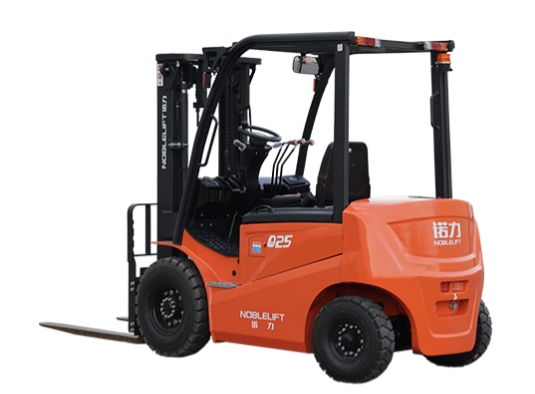 Forklift | China trade price on Wholesale Materials Handling electric forlift FE4P25 28Q buy in USA/UK/India/Australia importer manufacturer | forkLift Truck sale
### Forklift Aerial Platforms: Expanding Material Handling Capabilities
Forklift aerial platforms combine the functionality of forklifts with the
versatility of aerial work platforms, enabling operators
to safely reach elevated areas for various tasks. These devices
are increasingly popular in warehouses, construction sites, and maintenance operations, offering a practical solution for lifting personnel and equipment to
heights that traditional forklifts cannot achieve alone.
#### What Are Forklift Aerial Platforms?
Forklift aerial platforms are attachments designed to be mounted on standard forklifts.
They typically consist of a platform or basket that can be raised and lowered using the forklifts lifting mechanism.
These platforms are engineered to securely hold personnel and tools, allowing for efficient work at height.
#### Key Features
1. **Safety Features**:
- Most aerial platforms come equipped with safety rails, harness attachment points, and non-slip surfaces to
ensure the safety of workers during operation.
2. **Adjustable Height**:
- The height capabilities depend on the forklift model and platform design, but many are capable of reaching heights of 10 to 20 feet or more.
3. **Easy Installation**:
- Aerial platforms are usually designed for easy attachment to
forklifts, making it simple to switch between standard lifting and aerial operations.
4. **Weight Capacity**:
- These platforms are designed to support a specific weight limit, typically around 1,000 to 1,500 pounds, including personnel and
equipment.
#### Applications
1. **Warehouse Operations**:
- Forklift aerial platforms are ideal for inventory management, allowing workers to reach high shelving or storage areas without the need
for additional equipment.
2. **Maintenance Tasks**:
- In facilities maintenance, these platforms enable staff to perform repairs,
inspections, or installations in hard-to-reach areas, such as ceiling fixtures or HVAC systems.
3. **Construction Sites**:
- On construction sites, aerial platforms can facilitate tasks like framing, electrical work, and painting at
elevated heights.
4. **Event Setup**:
- For event planners, these platforms provide a safe
way to set up decorations, lighting, or sound equipment above ground level.
#### Benefits
1. **Cost-Effective Solution**:
- Using a forklift aerial platform can be more economical than renting or purchasing separate aerial lift equipment,
especially for businesses that already own forklifts.
2. **Versatility**:
- These platforms can be used across various industries, making them a
valuable addition to a companys material handling
fleet.
3. **Increased Productivity**:
- By providing safe access to elevated areas, aerial platforms help reduce the time spent on tasks that require lifting personnel, thereby improving
overall productivity.
4. **Space Efficiency**:
- Forklift aerial platforms are particularly useful in facilities with limited space, where traditional scaffolding or lifts may not be feasible.
#### Safety Considerations
While forklift aerial platforms offer many advantages,
safety should always be the top priority.
Here are some important safety considerations:
1. **Training**:
- Operators should receive proper training on the safe use of both the forklift and
the aerial platform, including understanding
weight limits and stability.
2. **Inspection**:
- Regular inspections of the platform and forklift are
essential to ensure they are in good working condition before each
use.
3. **Use in Safe Conditions**:
- Aerial platforms should only be used on stable ground and should not be operated in windy or inclement weather conditions.
4. **Personal Protective Equipment (PPE)**:
- Operators and personnel should wear appropriate PPE, including hard hats and harnesses, to ensure safety while working at heights.
### Conclusion
Forklift aerial platforms represent a versatile and efficient solution for lifting personnel and equipment to elevated areas.
With their safety features, cost-effectiveness, and ease of
use, they are an excellent addition to any businesss material handling capabilities.
By prioritizing safety and ensuring proper training,
companies can leverage these platforms to enhance productivity and streamline operations
across various industries.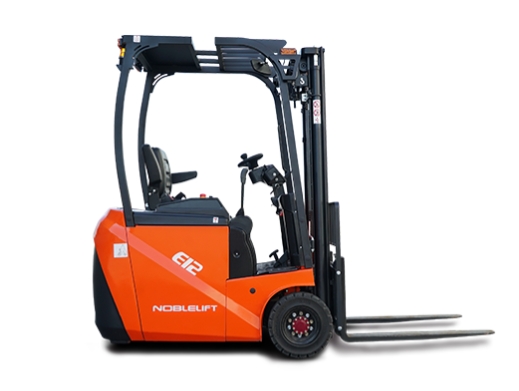 Forklift | China trade price on Wholesale Materials Handling electric forlift FE3R 12E 15E buy in USA/UK/India/Australia importer manufacturer | forkLift Truck sale
 Bosanquet created the group 9 Stable Causes To Keep Away From Forklifts\
- Bosanquet joined the site