Why Facts Don't Change Our Minds

“Faced with a choice between changing one’s mind and proving there is no need to do so, almost everyone gets busy with the proof.” ~ J.K. Galbraith.
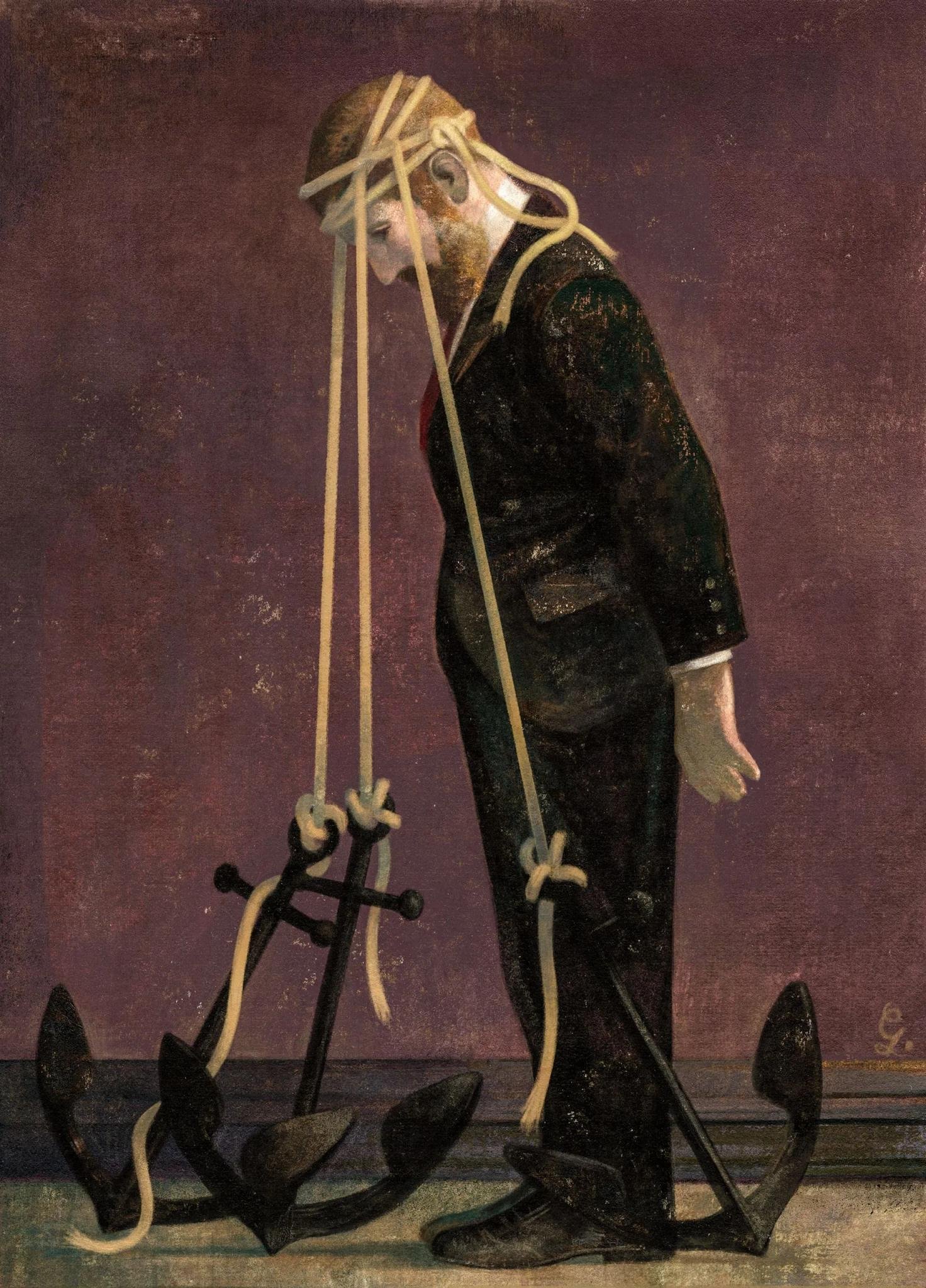
Humans need a reasonably accurate view of the world to survive, but our deep desire to belong often precedes cold, hard facts. This can create a powerful conflict between truth and social connection.
The Power of Belonging:
In "Atomic Habits," it’s noted, “Humans are herd animals. We want to fit in, bond with others, and earn respect.” Our ancestors depended on tribes for survival, making social acceptance crucial. This need to belong can outweigh our pursuit of factual accuracy.
Social Truths vs. Factual Truths:
Sometimes, we believe things not because they are true, but because they help us fit in. Harvard psychologist Steven Pinker explains, “One function of the mind may be to hold beliefs that bring the greatest number of allies.” Social connection can often trump factual correctness.
Changing Minds Through Connection:
To change someone’s mind, you must change their tribe. Friendship and inclusion allow people to shift their beliefs without losing social ties. As Alain de Botton suggests, sharing a meal with those who disagree with us fosters tolerance and understanding.
Proximity and Understanding:
Abraham Lincoln wisely said, “I don’t like that man. I must get to know him better.” Close, personal connections make it easier to bridge belief gaps.
Books Over Debates:
Books offer a non-threatening environment for exploring new ideas, allowing people to reconsider beliefs without fearing public judgment. Arguments often feel like an attack on identity, while books let ideas grow gently.
Let Bad Ideas Starve:
Focus on promoting good ideas rather than attacking bad ones. Repetition gives life to ideas—good or bad. Let harmful ideas fade by not giving them attention.
Be a Scout, Not a Soldier:
Julia Galef urges us to be curious explorers rather than warriors in our intellectual pursuits. Scouts seek to understand, not to conquer.
Kindness First, Right Later:
Haruki Murakami wrote, “To argue and win is to break down the reality of the person you are arguing against. Be kind, even if you are right.” Treat others like family, share meals, and gift books, and build friendships.
Conclusion:
Facts alone rarely change minds. Transforming beliefs starts with connection and kindness. Be a beacon of understanding and friendship, and watch as the world around you changes.