Mahakumbh in Prayagraj: The Grandeur of Spirituality and Tradition

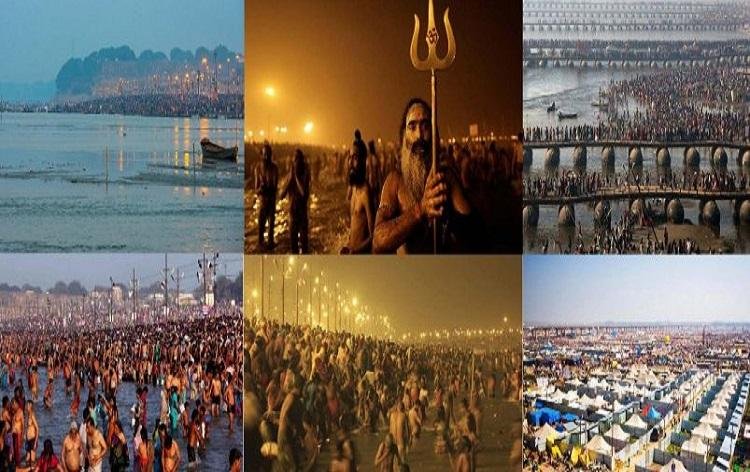
The Mahakumbh is one of the largest and most significant spiritual gatherings in the world, held in Prayagraj, Uttar Pradesh. It draws millions of devotees, sages, and tourists to its sacred banks every twelve years. Celebrated with immense devotion, it signifies the confluence of spirituality, mythology, and cultural heritage.

Historical Origins of Mahakumbh
The history of the Mahakumbh is deeply rooted in Indian mythology and the Samudra Manthan (churning of the ocean). According to legend:
- During the Samudra Manthan, amrit (the nectar of immortality) emerged.
- A fierce battle ensued between the Devas and Asuras for possession of the amrit.
- As drops of the nectar fell at four places—Prayagraj, Haridwar, Ujjain, and Nasik—these sites became sacred.
- The Mahakumbh commemorates the momentous events surrounding the nectar.
Significance of Prayagraj
Prayagraj, formerly known as Allahabad, is the confluence of three sacred rivers:
- Ganga
- Yamuna
- Saraswati (mythical river) This Triveni Sangam holds immense religious significance, believed to cleanse devotees of their sins and lead to moksha (liberation).
Spiritual Practices at Mahakumbh
Devotees engage in various rituals:
- Holy Dip (Shahi Snan): Considered the most important act, performed on specific auspicious days.
- Bhajans and Kirtans: Echoing the devotion of pilgrims.
- Charity and Annadan: Acts of goodwill such as food distribution.
- Prayers and Homas: For the well-being of humanity.
Aghoris: Mystics of the Mahakumbh
The Mahakumbh is renowned for the presence of Aghoris, the ascetic mystics known for their extreme spiritual practices:
- Lifestyle: They dwell in cremation grounds and are believed to have transcended fear and worldly attachments.
- Beliefs: They practice detachment, seeing life and death as part of the divine cycle.
- Worship: Dedicated to Lord Shiva, the Aghoris perform rituals to channel divine energies and attain enlightenment.
- Symbolism: Their ash-smeared bodies and meditative practices epitomize renunciation and spiritual pursuit.
Gods Associated with Mahakumbh
- Lord Vishnu: The protector of the nectar during the Samudra Manthan.
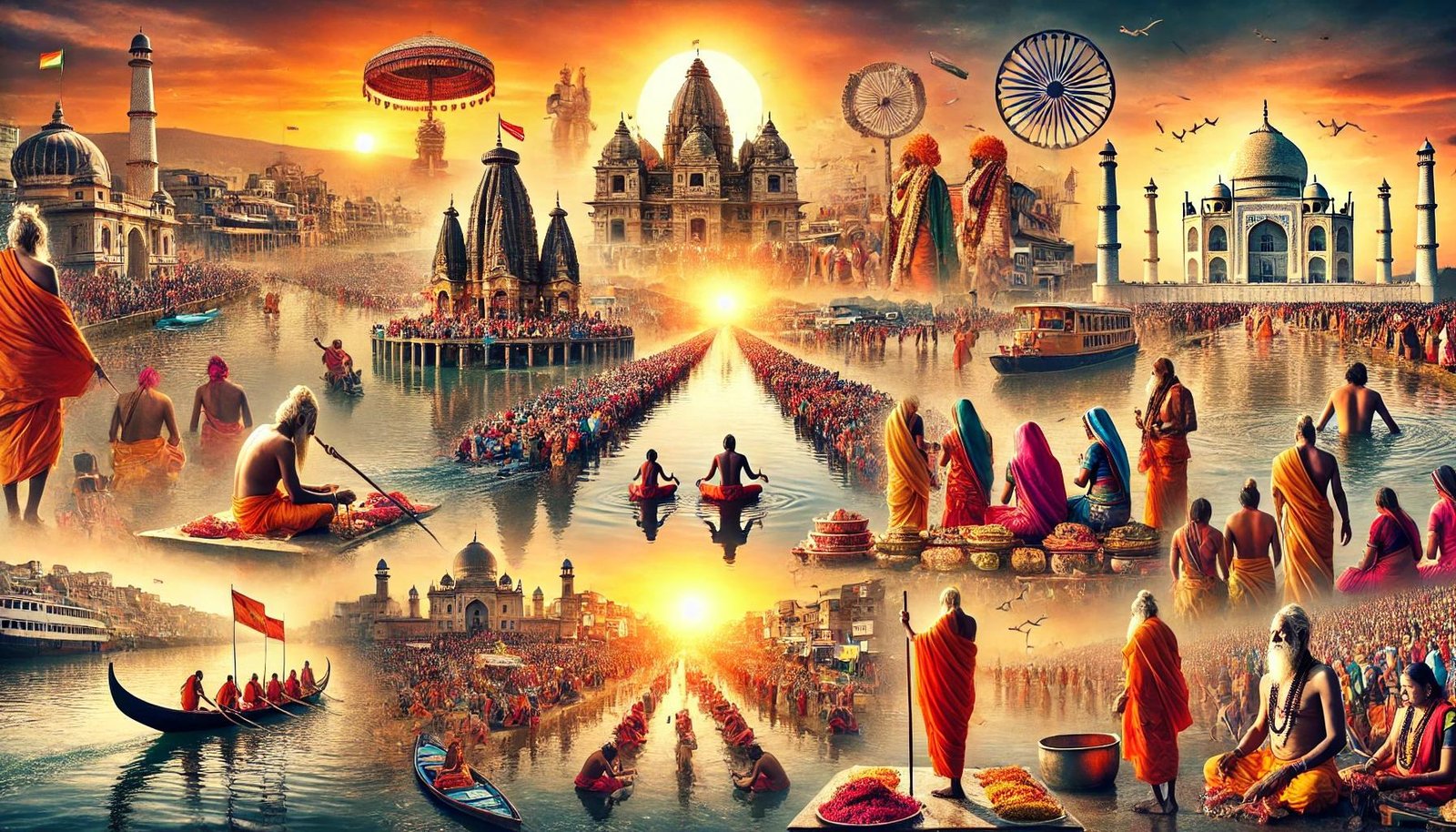
- Lord Shiva: The ultimate ascetic, revered by mystics and Aghoris alike.
- Goddess Saraswati: Symbolizing wisdom and purity, linked to the mythical Saraswati river.
Cultural and Social Impact
The Mahakumbh extends beyond spirituality:
- Cultural Exchange: A meeting point for diverse Indian traditions.
- Economic Boost: Significant for local economies due to the influx of pilgrims and tourists.
- Environmental Awareness: Initiatives to preserve the sanctity of the rivers and promote eco-friendly practices.
Conclusion
The Mahakumbh in Prayagraj is not just a festival; it is a profound experience that reflects India's spiritual depth, cultural diversity, and devotion. It serves as a reminder of the timeless values of faith, unity, and renewal. Through its rituals and teachings, it continues to inspire millions, connecting humanity to its divine essence.