The Science Behind Climate Change and Its Solutions

Climate change is one of the most pressing challenges of our time. It refers to significant, long-term changes in the global climate, primarily driven by human activities. Understanding its causes and implementing effective solutions are critical for the planet's health and future sustainability.
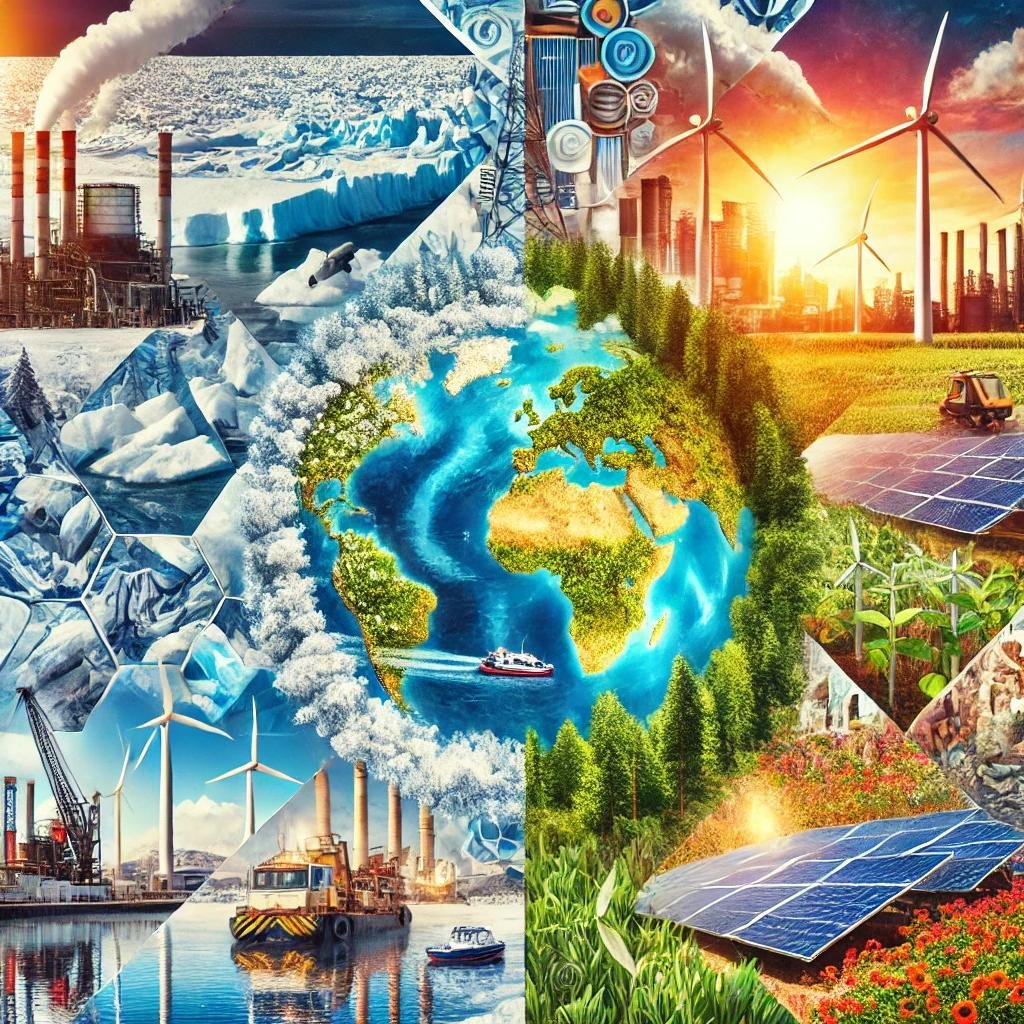
Causes of Climate Change
Greenhouse Gas Emissions
The burning of fossil fuels such as coal, oil, and natural gas releases carbon dioxide (CO2) and methane into the atmosphere. These gases trap heat, leading to a rise in global temperatures.
Deforestation
Forests act as carbon sinks, absorbing CO2 from the atmosphere. Large-scale deforestation reduces this capacity, contributing to higher CO2 levels.
Industrial Activities
Factories and industrial processes release significant amounts of greenhouse gases and pollutants, further exacerbating the problem.
Agricultural Practices
Livestock farming produces methane, a potent greenhouse gas. Additionally, the use of fertilizers releases nitrous oxide, another harmful gas.
Urbanization
Urban expansion increases energy consumption, vehicle emissions, and waste production, contributing to climate change.
Impacts of Climate Change
Rising Temperatures: Global temperatures have increased, leading to heatwaves and altered weather patterns.
Melting Ice Caps and Rising Sea Levels: Polar ice is melting, causing sea levels to rise and threatening coastal communities.
Extreme Weather Events: Hurricanes, floods, and droughts are becoming more frequent and severe.
Biodiversity Loss: Many species are at risk due to changing habitats and ecosystems.
Practical Solutions to Combat Climate Change
Transition to Renewable Energy
Adopting solar, wind, and hydropower can reduce reliance on fossil fuels.
Energy Efficiency
Improving energy efficiency in buildings, transportation, and industries can significantly reduce emissions.
Reforestation and Afforestation
Planting trees and restoring forests can help absorb CO2 and combat deforestation.
Sustainable Agriculture
Practices like crop rotation, organic farming, and reducing food waste can minimize environmental impact.
Policy Changes
Governments must implement policies that enforce carbon taxes, regulate emissions, and promote sustainable practices.
Individual Actions
Reducing energy consumption, using public transport, and supporting eco-friendly products are steps individuals can take.
Why Solutions Matter
Addressing climate change is not just about protecting the environment; it’s about ensuring the survival of future generations. By implementing solutions at individual, community, and global levels, we can mitigate its effects and create a sustainable future.