Understanding Renewable Energy Sources

Renewable energy refers to power derived from resources that are naturally replenished, such as sunlight, wind, rain, tides, and geothermal heat. These energy sources are environmentally friendly alternatives to fossil fuels, offering a sustainable path forward as we combat climate change and resource depletion.
Types of Renewable Energy
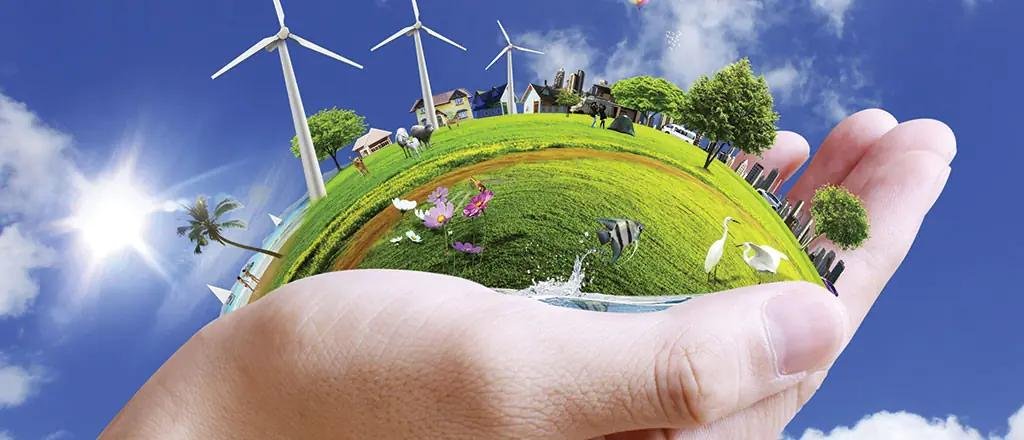
- Solar Power: Harnessing sunlight through solar panels, solar power is one of the fastest-growing renewable energy sources. It’s versatile, powering everything from homes to massive solar farms.
- Wind Power: Wind turbines convert the kinetic energy of wind into electrical energy, providing clean energy on a large scale, especially in wind-rich regions.
- Hydropower: By capturing the energy of flowing water, hydropower plants provide a steady source of electricity. It’s one of the oldest forms of renewable energy, typically generated by dams.
- Geothermal: Geothermal energy taps into the Earth's internal heat to generate electricity. It is a reliable source of power, ideal for regions with geothermal activity.
Advantages of Renewable Energy
- Environmental: Reduces greenhouse gas emissions, helping to combat climate change.
- Economic: Renewable energy creates job opportunities in fields like engineering, manufacturing, and installation.
Challenges
- Intermittency: Solar and wind are dependent on weather conditions, which can affect consistency.
- Cost: Initial infrastructure costs are high, though they are decreasing as technology advances.
Conclusion
Switching to renewable energy is key to reducing carbon emissions and moving toward a sustainable future. By investing in renewable resources, we can secure a healthier environment for generations to come.