Life isn’t about waiting for the storm to pass; it’s about learning to dance in the rain.

Learning to Dance in the Rain

Life is unpredictable, a constant ebb and flow of joys and challenges. While we often wish for sunshine and calm skies, the reality is that storms are inevitable. They may come as sudden upheavals—unexpected losses, personal struggles, or difficult transitions. Yet, amidst the turbulence, there lies a profound lesson: life isn’t about waiting for the storm to pass; it’s about learning to dance in the rain.
This quote, attributed to Vivian Greene, speaks to the resilience and mindset we can cultivate in the face of adversity. It suggests that waiting for perfect conditions may rob us of moments that can shape and define us. Life's challenges are not always something we can control or avoid, but how we respond to them is entirely within our grasp.
Embracing Imperfection
Learning to "dance in the rain" means embracing the imperfect. Often, we find ourselves waiting—waiting for things to get better, for circumstances to change, for happiness to arrive when everything is just right. However, this mindset can lead to endless delays in our journey toward fulfillment. The rain, metaphorically, is life happening in its most raw and real form. It is messy, unpredictable, and sometimes harsh, but it is also a reminder that beauty and growth often emerge from the most challenging times.
Imagine the feeling of being caught in a rainstorm. At first, it’s uncomfortable, an inconvenience. But after a moment, something shifts—the realization that rain, like life’s difficulties, is transient. You begin to let go of control, accepting that you’re already drenched. It’s in this surrender that the true transformation happens. Rather than resisting the rain, you start to embrace it, finding joy even in its presence.
Resilience Through Dance
The "dance" in the rain symbolizes resilience. It’s the act of finding moments of joy and hope despite the trials we face. When we dance in the rain, we’re not just enduring the storm, we’re actively participating in it, turning an otherwise gloomy situation into something meaningful. This dance is an act of defiance, a refusal to let life’s difficulties rob us of our spirit and our ability to find joy, even when the odds are against us.
Resilience doesn’t mean ignoring pain or pretending everything is okay. It means acknowledging the hardship while still finding a way to move forward. Dancing in the rain is about finding small moments of beauty, laughter, and love, even when the skies are gray. It’s about nurturing gratitude for the lessons the storm teaches us.
The Power of Perspective
Shifting our perspective from waiting to living in the present moment is a powerful tool. Storms, both literal and metaphorical, have a way of washing away what no longer serves us, leaving behind a renewed sense of clarity. When we learn to dance in the rain, we are cultivating a mindset of adaptability and openness. We’re choosing not to allow the circumstances of life to dictate our happiness but to find ways to thrive, regardless of what comes our way.
Finding Strength in the Rain
Rain, in many cultures, symbolizes renewal and cleansing. Just as the earth is nourished by rain, our spirit can be strengthened by the challenges we face. Each storm we encounter in life offers an opportunity to grow, to develop deeper compassion, and to become more resilient. When we stop fearing the rain and instead start seeing it as an integral part of our journey, we unlock the ability to face adversity with grace.
Dancing Forward
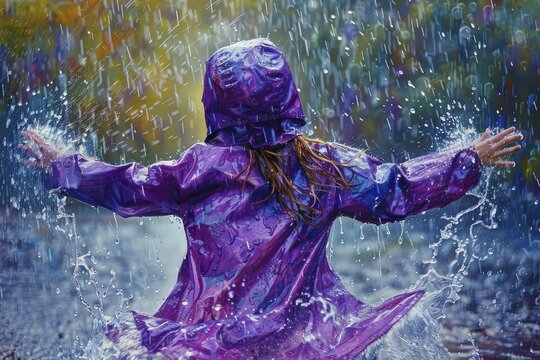
In the end, life is not about waiting for perfect conditions. The rain will come, and so will the sunshine. But if we spend our time waiting for the skies to clear, we might miss the beauty of the present moment. Instead, we can choose to dance in the rain—an act of courage, joy, and resilience.
The next time life presents a storm, remember that it’s not a signal to stop, but an invitation to step into the moment, to dance despite the rain, and to find strength, beauty, and joy in every drop.