Diwali: The Festival of Lights

Diwali, also known as Deepavali, is one of the most significant and widely celebrated festivals in India and among the Indian diaspora around the world. It symbolizes the victory of light over darkness, knowledge over ignorance, and good over evil. Celebrated primarily by Hindus, it is also observed by Jains, Sikhs, and some Buddhists, each with their unique interpretations and traditions.
Historical Significance
The roots of Diwali can be traced back to ancient Indian texts and mythology. For Hindus, it commemorates the return of Lord Rama, his wife Sita, and brother Lakshmana to their kingdom of Ayodhya after a 14-year exile, during which Rama defeated the demon king Ravana. This event is celebrated by lighting lamps and bursting fireworks, signifying the joy and triumph of good over evil.

For Jains, Diwali marks the nirvana of Lord Mahavira, the last Tirthankara. Sikhs celebrate the release of Guru Hargobind Ji from imprisonment and the establishment of the Golden Temple. Each community brings its cultural flair to the festival, making it a diverse celebration.
Celebrations and Traditions
Diwali spans five days, with each day holding its own significance:
- Dhanteras: The festival begins with Dhanteras, where people buy gold, silver, and new utensils as a sign of prosperity.
- Naraka Chaturdashi: Also known as Choti Diwali, this day commemorates the victory of Lord Krishna over the demon Narakasura.
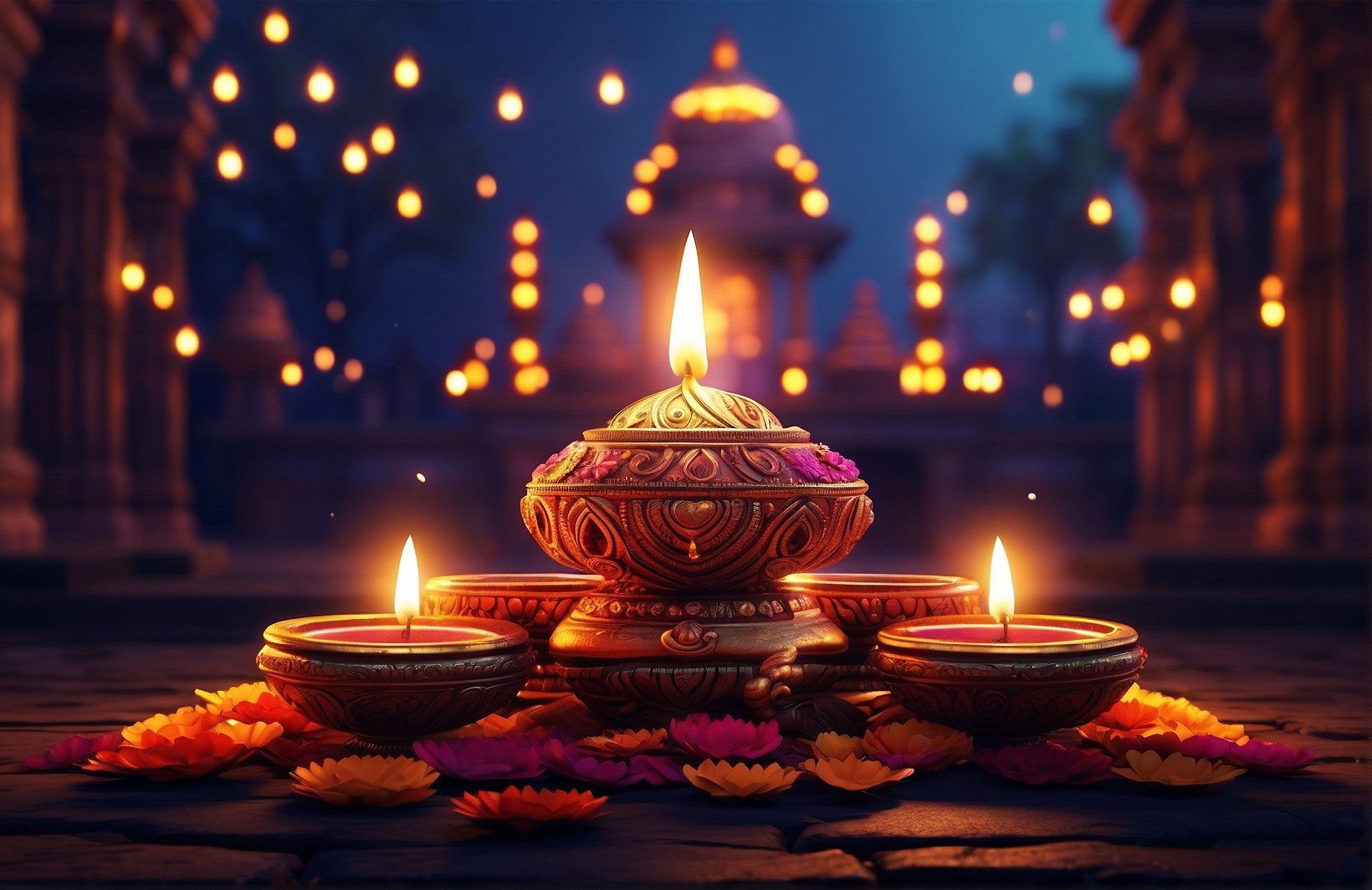
- Lakshmi Puja: The main celebration occurs on the third day, where devotees worship Goddess Lakshmi, the goddess of wealth and prosperity. Homes are decorated with rangoli (colorful designs made on the floor), and lights adorn every corner.
- Govardhan Puja: This day celebrates Lord Krishna lifting the Govardhan Hill to protect villagers from torrential rains.
- Bhai Dooj: The festival concludes with Bhai Dooj, which honors the bond between brothers and sisters.
The festival is marked by the exchange of gifts and sweets, family gatherings, and feasting. Traditional foods such as ladoos, barfis, and various savory snacks are prepared in abundance.
The Spirit of Diwali
Diwali is not just about lights and festivities; it is also a time for reflection and community bonding. The festival promotes values of forgiveness, compassion, and charity. People often visit neighbors and friends, sharing sweets and spreading joy.
In recent years, Diwali has also taken on a broader significance, representing a time to reflect on environmental consciousness. As awareness of pollution and its effects grows, many are opting for eco-friendly celebrations, using clay lamps (diyas) and minimizing the use of fireworks.
Conclusion
Diwali is a vibrant and joyous festival that transcends cultural boundaries. Its messages of hope, renewal, and unity resonate with people from all walks of life. Whether through grand celebrations or intimate gatherings, Diwali brings together families, communities, and friends in a shared spirit of joy and festivity.
As you prepare to celebrate Diwali, remember the deeper meanings behind the lights and festivities, cherishing the moments spent with loved ones and the values of kindness and generosity that the festival embodies.